
Harpreet Singh

Harpreet Singh

Founder and Creative Director

Design Systems for SaaS Products

Create powerful saas design systems that enhance user experience, maintain consistency, and accelerate development workflows for scalable saas application design.

Groto Cover Image
Harpreet Singh

Harpreet Singh

Founder and Creative Director

Design Systems for SaaS Products

Create powerful saas design systems that enhance user experience, maintain consistency, and accelerate development workflows for scalable saas application design.

Groto Cover Image

Create powerful saas design systems that transform product development. Strong saas system design methodologies build consistent interfaces while accelerating saas application design processes for measurable efficiency gains.

Build effective saas design systems that scale with your product requirements.


Design  Systems  for  SaaS  Products

TATA AIA Design System

In the fast-paced world of SaaS, designing products that can scale and adapt to evolving market demands is crucial. Enter saas design systems in Figma, the key to creating exceptional saas application design. In this blog, we'll explore the significance of saas design systems for SaaS product owners and how they empower scalability and efficiency. Join us as we dive into the exciting journey of designing for the SaaS revolution, with a special focus on our work with TATA AIA and the saas design system we crafted. Get ready to uncover the secrets of success!

The Power of Design Systems for SaaS Product Owners:

Saas design systems act as a foundational framework for SaaS applications, ensuring consistency, scalability, and efficiency throughout the design and development process. Let's see why they are essential for SaaS product owners:

  1. Consistency and Brand Identity: Saas design systems establish a unified visual language — colors, typography, and UI elements that reflect the brand identity — and when design systems become brand experience, that consistency extends beyond the product interface to every touchpoint a person has with the brand, ensuring the same emotional impression is reinforced whether someone is in the app, reading an email, or watching a demo.

  2. Scalability and Efficiency: Design systems provide modular components and design patterns that can be easily reused and adapted. This scalability allows SaaS applications to grow and evolve seamlessly, saving time and effort in the saas application design process. Saas design systems enable rapid iteration and deployment of new features, ensuring efficient scaling.

  3. Collaboration and Streamlined Workflows: Saas system design fosters collaboration among designers, developers, and stakeholders by serving as a single source of truth. With Figma's collaborative capabilities, teams can work together in real-time, ensuring alignment and reducing miscommunication. Design systems streamline workflows, improve efficiency, and enable cross-functional collaboration.

  4. Enhanced User Experience: Design systems provide modular components and design patterns that can be easily reused and adapted. This scalability allows SaaS applications to grow and evolve seamlessly, saving time and effort in the saas application design process. Design systems enable rapid iteration and deployment of new features — but scaling efficiently only works when the underlying SaaS UX design at scale principles are sound, ensuring that each new component added to the system reinforces rather than fragments the product experience.

Why did an organization like TATA need a design system?

TATA AIA Design System Mockup

At first glance, a design system might seem unnecessary for a sprawling conglomerate like Tata. With businesses ranging from steel production to e-commerce, wouldn't each brand require a unique design identity? Surprisingly, the answer is no. In fact, a well-crafted saas design system can be a powerful tool for even the most diverse corporations.
UI/UX consistency matters most when a product ecosystem is large enough that inconsistency becomes visible to users — and the SaaS product design decisions that stick are those built into a system from the start, not retrofitted after fragmentation has already damaged the experience.
Introducing the TATA AIA Design System

A shining example of the power of saas design systems in SaaS is the TATA AIA design system we crafted in Figma. Let's explore how it revolutionized their product design:

  1. Consistent Branding: The TATA AIA saas design system ensured a consistent visual identity, reflecting the brand's values and personality — and this is SaaS branding through design systems in practice: when a harmonized color palette, typography guidelines, and brand-specific elements are built into the system rather than applied manually, brand coherence scales with the product rather than fracturing as it grows.

  2. Reusable Components and Templates: The saas system design incorporated a library of reusable components and templates tailored to TATA AIA's needs. This modular approach streamlined the design process, allowing for quick and consistent iteration while maintaining brand consistency.

  3. Customized Icons and Illustrations: The TATA AIA design system included a set of purpose-built icons and illustrations that added a unique touch to their saas application design. These visual assets enhanced the storytelling and conveyed complex ideas in a visually engaging manner. 

Unleashing the Impact of Design Systems:‍

Let's delve into the remarkable impact that saas design systems can have on SaaS applications:

Speed and Efficiency: Saas design systems in Figma streamline the design and development process, saving valuable time and resources. By providing a library of pre-defined components, UI elements, and templates, product owners can quickly assemble screens and iterate designs. This agility accelerates time-to-market — and teams that establish high-fidelity wireframes in design systems early in the process move faster through stakeholder approval cycles because the visual fidelity of components matches what will actually be built.

Scalability and Adaptability: As SaaS applications grow and evolve, saas system design offers the flexibility to scale seamlessly. By providing a modular approach to design, product owners can add new features, expand functionality, and accommodate different user personas without compromising consistency. Saas design systems facilitate the agile growth of SaaS products.

Improved Collaboration and Communication: Saas design systems serve as a common language for designers, developers, and stakeholders. They establish a shared understanding and provide clear guidelines, reducing miscommunication and enabling efficient collaboration. Design systems promote a cohesive team environment, fostering innovation and creativity.

User-Centric Design: With saas design systems, SaaS product owners can prioritize user needs and create intuitive experiences. Consistent UI patterns, interactions, and information architecture enhance usability and user satisfaction.

By aligning design decisions with user expectations through interaction-level UX design patterns — hover states, feedback loops, empty states, error handling — design systems turn isolated components into experiences that feel coherent and intentional at every touchpoint.

Conclusion

Saas design systems play a pivotal role in the success of SaaS applications, empowering product owners to create scalable, efficient, and user-centric products. The impact of saas system design can be witnessed in the journey of TATA AIA, where the implementation of a design system revolutionized their product design and accelerated their growth. By embracing saas design systems in Figma, SaaS product owners can achieve consistency, scalability, streamlined workflows, and ultimately deliver exceptional user experiences. Embrace the power of saas application design, and embark on your SaaS revolution with confidence, knowing that your products will be primed for success in the ever-evolving digital landscape.

View our work → letsgroto.com

Contact us → hello@letsgroto.com

Call us → (+91) 8920-527-329

FAQ

Q. What is a SaaS design system and why is it important?
A SaaS design system is a collection of reusable UI components, design principles, and documentation specifically created to ensure consistency, scalability, and efficiency in software-as-a-service (SaaS) product development. It’s important because it streamlines collaboration between designers and developers, speeds up development cycles, and maintains a unified user experience across all product interfaces.

Q. How does a design system improve efficiency in SaaS product development?
A design system improves efficiency by providing pre-built, standardized components and guidelines, reducing redundant design and development work. Teams can quickly prototype, build, and iterate on features without redefining patterns, which accelerates time to market and reduces design-developer handoff errors.

Q. What core components should be included in a SaaS design system?
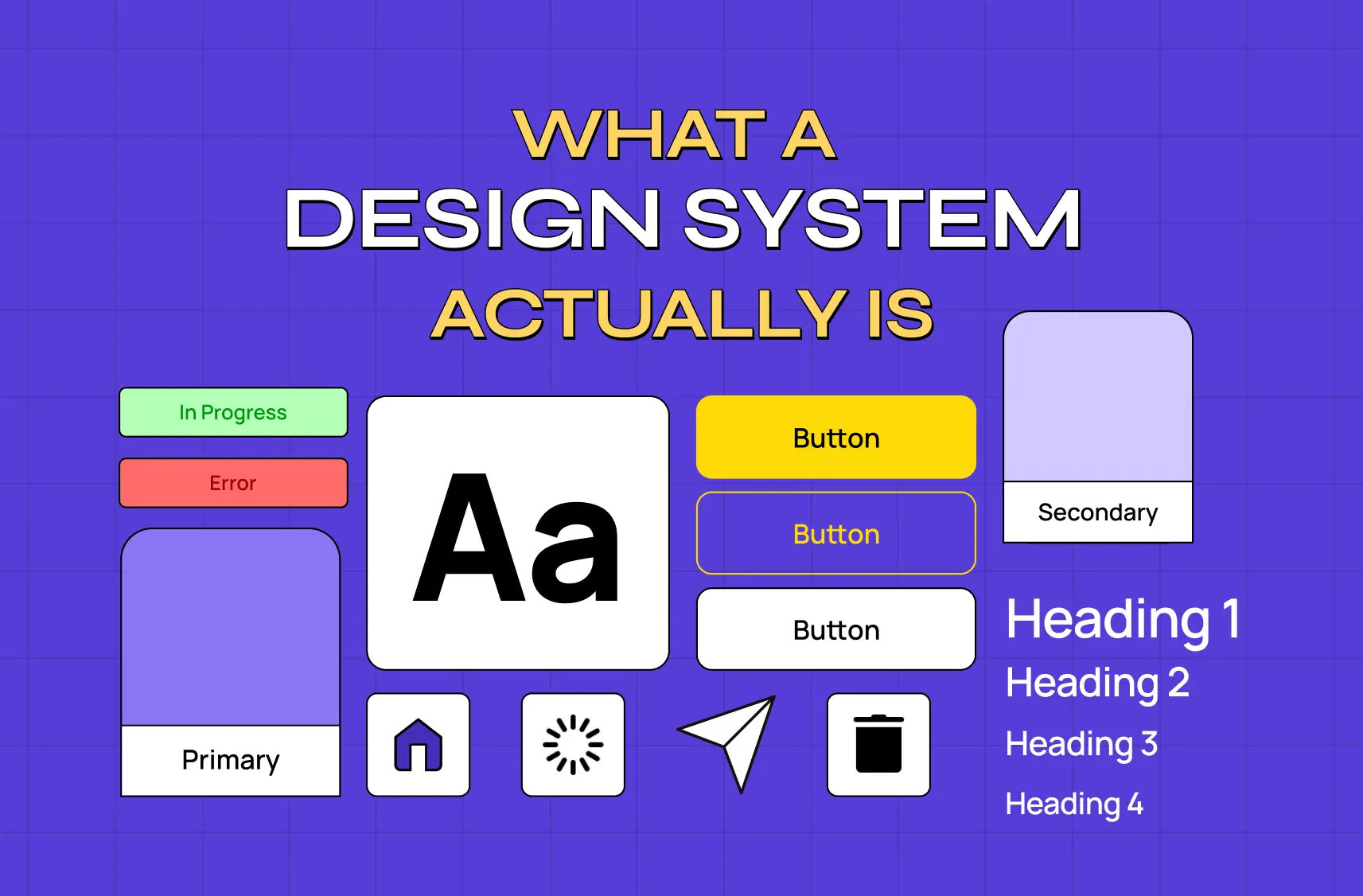
Core components of a SaaS design system should include:

  • Design tokens (colors, typography, spacing)

  • UI components (buttons, inputs, modals, tables)

  • Layout and grid systems

  • Interaction patterns (hover, focus, error states)

  • Accessibility standards

  • Documentation and usage guidelines

  • Brand assets (logos, icons, illustrations)

Q. How can design systems help maintain brand consistency across SaaS products?
Design systems maintain brand consistency by centralizing brand guidelines, visual styles, and interaction behaviors. When every product team uses the same components and design rules, all interfaces reflect a unified brand identity, regardless of platform, product, or team.

Q. What are the best practices for implementing a design system in Figma for SaaS applications?
Best practices for implementing a design system in Figma include:

  • Use Figma Styles for color, text, and effects to ensure consistency.

  • Create atomic components (e.g., buttons, form fields) and organize them in a shared library.

  • Structure with variants for scalable, flexible components.

  • Document usage within Figma or link to external documentation.

  • Establish naming conventions and layer structure for clarity.

Q. How do SaaS design systems support long-term product scalability?

SaaS design systems support scalability by offering a modular foundation that evolves with your product. As new features are introduced, pre-defined patterns and reusable components ensure consistent expansion without disrupting the overall user experience. This approach reduces technical debt and design inconsistencies over time.

Create powerful saas design systems that transform product development. Strong saas system design methodologies build consistent interfaces while accelerating saas application design processes for measurable efficiency gains.

Build effective saas design systems that scale with your product requirements.


Design  Systems  for  SaaS  Products

TATA AIA Design System

In the fast-paced world of SaaS, designing products that can scale and adapt to evolving market demands is crucial. Enter saas design systems in Figma, the key to creating exceptional saas application design. In this blog, we'll explore the significance of saas design systems for SaaS product owners and how they empower scalability and efficiency. Join us as we dive into the exciting journey of designing for the SaaS revolution, with a special focus on our work with TATA AIA and the saas design system we crafted. Get ready to uncover the secrets of success!

The Power of Design Systems for SaaS Product Owners:

Saas design systems act as a foundational framework for SaaS applications, ensuring consistency, scalability, and efficiency throughout the design and development process. Let's see why they are essential for SaaS product owners:

  1. Consistency and Brand Identity: Saas design systems establish a unified visual language — colors, typography, and UI elements that reflect the brand identity — and when design systems become brand experience, that consistency extends beyond the product interface to every touchpoint a person has with the brand, ensuring the same emotional impression is reinforced whether someone is in the app, reading an email, or watching a demo.

  2. Scalability and Efficiency: Design systems provide modular components and design patterns that can be easily reused and adapted. This scalability allows SaaS applications to grow and evolve seamlessly, saving time and effort in the saas application design process. Saas design systems enable rapid iteration and deployment of new features, ensuring efficient scaling.

  3. Collaboration and Streamlined Workflows: Saas system design fosters collaboration among designers, developers, and stakeholders by serving as a single source of truth. With Figma's collaborative capabilities, teams can work together in real-time, ensuring alignment and reducing miscommunication. Design systems streamline workflows, improve efficiency, and enable cross-functional collaboration.

  4. Enhanced User Experience: Design systems provide modular components and design patterns that can be easily reused and adapted. This scalability allows SaaS applications to grow and evolve seamlessly, saving time and effort in the saas application design process. Design systems enable rapid iteration and deployment of new features — but scaling efficiently only works when the underlying SaaS UX design at scale principles are sound, ensuring that each new component added to the system reinforces rather than fragments the product experience.

Why did an organization like TATA need a design system?

TATA AIA Design System Mockup

At first glance, a design system might seem unnecessary for a sprawling conglomerate like Tata. With businesses ranging from steel production to e-commerce, wouldn't each brand require a unique design identity? Surprisingly, the answer is no. In fact, a well-crafted saas design system can be a powerful tool for even the most diverse corporations.
UI/UX consistency matters most when a product ecosystem is large enough that inconsistency becomes visible to users — and the SaaS product design decisions that stick are those built into a system from the start, not retrofitted after fragmentation has already damaged the experience.
Introducing the TATA AIA Design System

A shining example of the power of saas design systems in SaaS is the TATA AIA design system we crafted in Figma. Let's explore how it revolutionized their product design:

  1. Consistent Branding: The TATA AIA saas design system ensured a consistent visual identity, reflecting the brand's values and personality — and this is SaaS branding through design systems in practice: when a harmonized color palette, typography guidelines, and brand-specific elements are built into the system rather than applied manually, brand coherence scales with the product rather than fracturing as it grows.

  2. Reusable Components and Templates: The saas system design incorporated a library of reusable components and templates tailored to TATA AIA's needs. This modular approach streamlined the design process, allowing for quick and consistent iteration while maintaining brand consistency.

  3. Customized Icons and Illustrations: The TATA AIA design system included a set of purpose-built icons and illustrations that added a unique touch to their saas application design. These visual assets enhanced the storytelling and conveyed complex ideas in a visually engaging manner. 

Unleashing the Impact of Design Systems:‍

Let's delve into the remarkable impact that saas design systems can have on SaaS applications:

Speed and Efficiency: Saas design systems in Figma streamline the design and development process, saving valuable time and resources. By providing a library of pre-defined components, UI elements, and templates, product owners can quickly assemble screens and iterate designs. This agility accelerates time-to-market — and teams that establish high-fidelity wireframes in design systems early in the process move faster through stakeholder approval cycles because the visual fidelity of components matches what will actually be built.

Scalability and Adaptability: As SaaS applications grow and evolve, saas system design offers the flexibility to scale seamlessly. By providing a modular approach to design, product owners can add new features, expand functionality, and accommodate different user personas without compromising consistency. Saas design systems facilitate the agile growth of SaaS products.

Improved Collaboration and Communication: Saas design systems serve as a common language for designers, developers, and stakeholders. They establish a shared understanding and provide clear guidelines, reducing miscommunication and enabling efficient collaboration. Design systems promote a cohesive team environment, fostering innovation and creativity.

User-Centric Design: With saas design systems, SaaS product owners can prioritize user needs and create intuitive experiences. Consistent UI patterns, interactions, and information architecture enhance usability and user satisfaction.

By aligning design decisions with user expectations through interaction-level UX design patterns — hover states, feedback loops, empty states, error handling — design systems turn isolated components into experiences that feel coherent and intentional at every touchpoint.

Conclusion

Saas design systems play a pivotal role in the success of SaaS applications, empowering product owners to create scalable, efficient, and user-centric products. The impact of saas system design can be witnessed in the journey of TATA AIA, where the implementation of a design system revolutionized their product design and accelerated their growth. By embracing saas design systems in Figma, SaaS product owners can achieve consistency, scalability, streamlined workflows, and ultimately deliver exceptional user experiences. Embrace the power of saas application design, and embark on your SaaS revolution with confidence, knowing that your products will be primed for success in the ever-evolving digital landscape.

View our work → letsgroto.com

Contact us → hello@letsgroto.com

Call us → (+91) 8920-527-329

FAQ

Q. What is a SaaS design system and why is it important?
A SaaS design system is a collection of reusable UI components, design principles, and documentation specifically created to ensure consistency, scalability, and efficiency in software-as-a-service (SaaS) product development. It’s important because it streamlines collaboration between designers and developers, speeds up development cycles, and maintains a unified user experience across all product interfaces.

Q. How does a design system improve efficiency in SaaS product development?
A design system improves efficiency by providing pre-built, standardized components and guidelines, reducing redundant design and development work. Teams can quickly prototype, build, and iterate on features without redefining patterns, which accelerates time to market and reduces design-developer handoff errors.

Q. What core components should be included in a SaaS design system?
Core components of a SaaS design system should include:

  • Design tokens (colors, typography, spacing)

  • UI components (buttons, inputs, modals, tables)

  • Layout and grid systems

  • Interaction patterns (hover, focus, error states)

  • Accessibility standards

  • Documentation and usage guidelines

  • Brand assets (logos, icons, illustrations)

Q. How can design systems help maintain brand consistency across SaaS products?
Design systems maintain brand consistency by centralizing brand guidelines, visual styles, and interaction behaviors. When every product team uses the same components and design rules, all interfaces reflect a unified brand identity, regardless of platform, product, or team.

Q. What are the best practices for implementing a design system in Figma for SaaS applications?
Best practices for implementing a design system in Figma include:

  • Use Figma Styles for color, text, and effects to ensure consistency.

  • Create atomic components (e.g., buttons, form fields) and organize them in a shared library.

  • Structure with variants for scalable, flexible components.

  • Document usage within Figma or link to external documentation.

  • Establish naming conventions and layer structure for clarity.

Q. How do SaaS design systems support long-term product scalability?

SaaS design systems support scalability by offering a modular foundation that evolves with your product. As new features are introduced, pre-defined patterns and reusable components ensure consistent expansion without disrupting the overall user experience. This approach reduces technical debt and design inconsistencies over time.

FAQ

Everything you were going to ask (and a few things you didn’t know to)

What is a SaaS design system and why is it important?

A SaaS design system is a collection of reusable UI components, design principles, and documentation specifically created to ensure consistency, scalability, and efficiency in software-as-a-service (SaaS) product development. It’s important because it streamlines collaboration between designers and developers, speeds up development cycles, and maintains a unified user experience across all product interfaces.

How does a design system improve efficiency in SaaS product development?

A design system improves efficiency by providing pre-built, standardized components and guidelines, reducing redundant design and development work. Teams can quickly prototype, build, and iterate on features without redefining patterns, which accelerates time to market and reduces design-developer handoff errors.

How does a design system improve efficiency in SaaS product development?

A design system improves efficiency by providing pre-built, standardized components and guidelines, reducing redundant design and development work. Teams can quickly prototype, build, and iterate on features without redefining patterns, which accelerates time to market and reduces design-developer handoff errors.

What core components should be included in a SaaS design system?

Core components of a SaaS design system should include: Design tokens (colors, typography, spacing) UI components (buttons, inputs, modals, tables) Layout and grid systems Interaction patterns (hover, focus, error states) Accessibility standards Documentation and usage guidelines Brand assets (logos, icons, illustrations)

What core components should be included in a SaaS design system?

Core components of a SaaS design system should include: Design tokens (colors, typography, spacing) UI components (buttons, inputs, modals, tables) Layout and grid systems Interaction patterns (hover, focus, error states) Accessibility standards Documentation and usage guidelines Brand assets (logos, icons, illustrations)

How can design systems help maintain brand consistency across SaaS products?

Design systems maintain brand consistency by centralizing brand guidelines, visual styles, and interaction behaviors. When every product team uses the same components and design rules, all interfaces reflect a unified brand identity, regardless of platform, product, or team.

How can design systems help maintain brand consistency across SaaS products?

Design systems maintain brand consistency by centralizing brand guidelines, visual styles, and interaction behaviors. When every product team uses the same components and design rules, all interfaces reflect a unified brand identity, regardless of platform, product, or team.

What are the best practices for implementing a design system in Figma for SaaS applications?

Best practices for implementing a design system in Figma include: Use Figma Styles for color, text, and effects to ensure consistency. Create atomic components (e.g., buttons, form fields) and organize them in a shared library. Structure with variants for scalable, flexible components. Document usage within Figma or link to external documentation. Establish naming conventions and layer structure for clarity. Collaborate with developers to ensure accurate handoff and implementation.

What are the best practices for implementing a design system in Figma for SaaS applications?

Best practices for implementing a design system in Figma include: Use Figma Styles for color, text, and effects to ensure consistency. Create atomic components (e.g., buttons, form fields) and organize them in a shared library. Structure with variants for scalable, flexible components. Document usage within Figma or link to external documentation. Establish naming conventions and layer structure for clarity. Collaborate with developers to ensure accurate handoff and implementation.

How do SaaS design systems support long-term product scalability?

SaaS design systems support scalability by offering a modular foundation that evolves with your product. As new features are introduced, pre-defined patterns and reusable components ensure consistent expansion without disrupting the overall user experience. This approach reduces technical debt and design inconsistencies over time.
How do SaaS design systems support long-term product scalability?

SaaS design systems support scalability by offering a modular foundation that evolves with your product. As new features are introduced, pre-defined patterns and reusable components ensure consistent expansion without disrupting the overall user experience. This approach reduces technical debt and design inconsistencies over time.

Extreme close-up black and white photograph of a human eye

Let’s bring your vision to life

Tell us what's on your mind? We'll hit you back in 24 hours. No fluff, no delays - just a solid vision to bring your idea to life.

Profile portrait of a man in a white shirt against a light background

Harpreet Singh

Founder and Creative Director

Get in Touch

Extreme close-up black and white photograph of a human eye

Let’s bring your vision to life

Tell us what's on your mind? We'll hit you back in 24 hours. No fluff, no delays - just a solid vision to bring your idea to life.

Profile portrait of a man in a white shirt against a light background

Harpreet Singh

Founder and Creative Director

Get in Touch

Harpreet Singh

Harpreet Singh

Founder and Creative Director

Design Systems for SaaS Products

Create powerful saas design systems that enhance user experience, maintain consistency, and accelerate development workflows for scalable saas application design.

Groto Cover Image
Groto Cover Image

Create powerful saas design systems that transform product development. Strong saas system design methodologies build consistent interfaces while accelerating saas application design processes for measurable efficiency gains.

Build effective saas design systems that scale with your product requirements.


Design  Systems  for  SaaS  Products

TATA AIA Design System

In the fast-paced world of SaaS, designing products that can scale and adapt to evolving market demands is crucial. Enter saas design systems in Figma, the key to creating exceptional saas application design. In this blog, we'll explore the significance of saas design systems for SaaS product owners and how they empower scalability and efficiency. Join us as we dive into the exciting journey of designing for the SaaS revolution, with a special focus on our work with TATA AIA and the saas design system we crafted. Get ready to uncover the secrets of success!

The Power of Design Systems for SaaS Product Owners:

Saas design systems act as a foundational framework for SaaS applications, ensuring consistency, scalability, and efficiency throughout the design and development process. Let's see why they are essential for SaaS product owners:

  1. Consistency and Brand Identity: Saas design systems establish a unified visual language — colors, typography, and UI elements that reflect the brand identity — and when design systems become brand experience, that consistency extends beyond the product interface to every touchpoint a person has with the brand, ensuring the same emotional impression is reinforced whether someone is in the app, reading an email, or watching a demo.

  2. Scalability and Efficiency: Design systems provide modular components and design patterns that can be easily reused and adapted. This scalability allows SaaS applications to grow and evolve seamlessly, saving time and effort in the saas application design process. Saas design systems enable rapid iteration and deployment of new features, ensuring efficient scaling.

  3. Collaboration and Streamlined Workflows: Saas system design fosters collaboration among designers, developers, and stakeholders by serving as a single source of truth. With Figma's collaborative capabilities, teams can work together in real-time, ensuring alignment and reducing miscommunication. Design systems streamline workflows, improve efficiency, and enable cross-functional collaboration.

  4. Enhanced User Experience: Design systems provide modular components and design patterns that can be easily reused and adapted. This scalability allows SaaS applications to grow and evolve seamlessly, saving time and effort in the saas application design process. Design systems enable rapid iteration and deployment of new features — but scaling efficiently only works when the underlying SaaS UX design at scale principles are sound, ensuring that each new component added to the system reinforces rather than fragments the product experience.

Why did an organization like TATA need a design system?

TATA AIA Design System Mockup

At first glance, a design system might seem unnecessary for a sprawling conglomerate like Tata. With businesses ranging from steel production to e-commerce, wouldn't each brand require a unique design identity? Surprisingly, the answer is no. In fact, a well-crafted saas design system can be a powerful tool for even the most diverse corporations.
UI/UX consistency matters most when a product ecosystem is large enough that inconsistency becomes visible to users — and the SaaS product design decisions that stick are those built into a system from the start, not retrofitted after fragmentation has already damaged the experience.
Introducing the TATA AIA Design System

A shining example of the power of saas design systems in SaaS is the TATA AIA design system we crafted in Figma. Let's explore how it revolutionized their product design:

  1. Consistent Branding: The TATA AIA saas design system ensured a consistent visual identity, reflecting the brand's values and personality — and this is SaaS branding through design systems in practice: when a harmonized color palette, typography guidelines, and brand-specific elements are built into the system rather than applied manually, brand coherence scales with the product rather than fracturing as it grows.

  2. Reusable Components and Templates: The saas system design incorporated a library of reusable components and templates tailored to TATA AIA's needs. This modular approach streamlined the design process, allowing for quick and consistent iteration while maintaining brand consistency.

  3. Customized Icons and Illustrations: The TATA AIA design system included a set of purpose-built icons and illustrations that added a unique touch to their saas application design. These visual assets enhanced the storytelling and conveyed complex ideas in a visually engaging manner. 

Unleashing the Impact of Design Systems:‍

Let's delve into the remarkable impact that saas design systems can have on SaaS applications:

Speed and Efficiency: Saas design systems in Figma streamline the design and development process, saving valuable time and resources. By providing a library of pre-defined components, UI elements, and templates, product owners can quickly assemble screens and iterate designs. This agility accelerates time-to-market — and teams that establish high-fidelity wireframes in design systems early in the process move faster through stakeholder approval cycles because the visual fidelity of components matches what will actually be built.

Scalability and Adaptability: As SaaS applications grow and evolve, saas system design offers the flexibility to scale seamlessly. By providing a modular approach to design, product owners can add new features, expand functionality, and accommodate different user personas without compromising consistency. Saas design systems facilitate the agile growth of SaaS products.

Improved Collaboration and Communication: Saas design systems serve as a common language for designers, developers, and stakeholders. They establish a shared understanding and provide clear guidelines, reducing miscommunication and enabling efficient collaboration. Design systems promote a cohesive team environment, fostering innovation and creativity.

User-Centric Design: With saas design systems, SaaS product owners can prioritize user needs and create intuitive experiences. Consistent UI patterns, interactions, and information architecture enhance usability and user satisfaction.

By aligning design decisions with user expectations through interaction-level UX design patterns — hover states, feedback loops, empty states, error handling — design systems turn isolated components into experiences that feel coherent and intentional at every touchpoint.

Conclusion

Saas design systems play a pivotal role in the success of SaaS applications, empowering product owners to create scalable, efficient, and user-centric products. The impact of saas system design can be witnessed in the journey of TATA AIA, where the implementation of a design system revolutionized their product design and accelerated their growth. By embracing saas design systems in Figma, SaaS product owners can achieve consistency, scalability, streamlined workflows, and ultimately deliver exceptional user experiences. Embrace the power of saas application design, and embark on your SaaS revolution with confidence, knowing that your products will be primed for success in the ever-evolving digital landscape.

View our work → letsgroto.com

Contact us → hello@letsgroto.com

Call us → (+91) 8920-527-329

FAQ

Q. What is a SaaS design system and why is it important?
A SaaS design system is a collection of reusable UI components, design principles, and documentation specifically created to ensure consistency, scalability, and efficiency in software-as-a-service (SaaS) product development. It’s important because it streamlines collaboration between designers and developers, speeds up development cycles, and maintains a unified user experience across all product interfaces.

Q. How does a design system improve efficiency in SaaS product development?
A design system improves efficiency by providing pre-built, standardized components and guidelines, reducing redundant design and development work. Teams can quickly prototype, build, and iterate on features without redefining patterns, which accelerates time to market and reduces design-developer handoff errors.

Q. What core components should be included in a SaaS design system?
Core components of a SaaS design system should include:

  • Design tokens (colors, typography, spacing)

  • UI components (buttons, inputs, modals, tables)

  • Layout and grid systems

  • Interaction patterns (hover, focus, error states)

  • Accessibility standards

  • Documentation and usage guidelines

  • Brand assets (logos, icons, illustrations)

Q. How can design systems help maintain brand consistency across SaaS products?
Design systems maintain brand consistency by centralizing brand guidelines, visual styles, and interaction behaviors. When every product team uses the same components and design rules, all interfaces reflect a unified brand identity, regardless of platform, product, or team.

Q. What are the best practices for implementing a design system in Figma for SaaS applications?
Best practices for implementing a design system in Figma include:

  • Use Figma Styles for color, text, and effects to ensure consistency.

  • Create atomic components (e.g., buttons, form fields) and organize them in a shared library.

  • Structure with variants for scalable, flexible components.

  • Document usage within Figma or link to external documentation.

  • Establish naming conventions and layer structure for clarity.

Q. How do SaaS design systems support long-term product scalability?

SaaS design systems support scalability by offering a modular foundation that evolves with your product. As new features are introduced, pre-defined patterns and reusable components ensure consistent expansion without disrupting the overall user experience. This approach reduces technical debt and design inconsistencies over time.
Extreme close-up black and white photograph of a human eye

Let’s bring your vision to life

Tell us what's on your mind? We'll hit you back in 24 hours. No fluff, no delays - just a solid vision to bring your idea to life.
Profile portrait of a man in a white shirt against a light background

Harpreet Singh

Founder and Creative Director

Get in Touch