Free UX Design Tools in 2026: 12 That Are Actually Free (and 4 That Aren't)

10 min read

10 min read

Tools & Resources

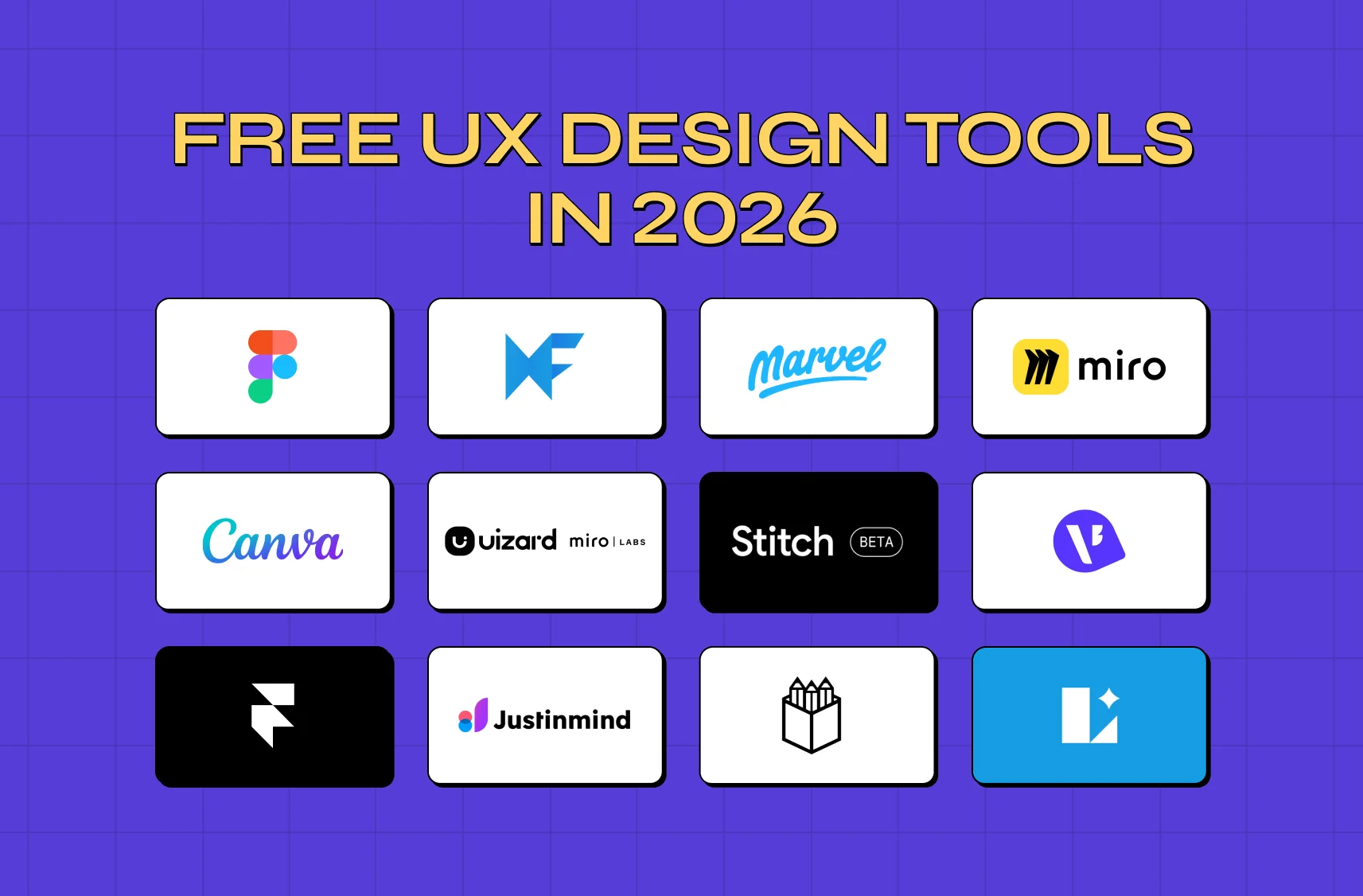
Free UX Design Tools in 2026: 12 That Are Actually Free (and 4 That Aren't)

Most free UX tool lists are padded with 30-day trials and apps that shut down. Twelve tools with real free plans, plus the four commonly listed ones that aren't free.

Free UX Design Tools in 2026: 12 That Are Actually Free (and 4 That Aren't)

10 min read

10 min read

Tools & Resources

Free UX Design Tools in 2026: 12 That Are Actually Free (and 4 That Aren't)

Most free UX tool lists are padded with 30-day trials and apps that shut down. Twelve tools with real free plans, plus the four commonly listed ones that aren't free.

Search for free UX design tools and you get lists padded with 30-day trials, and some that still recommend software that shut down years ago. This guide labels every tool as free forever, open source, or trial only, and names the four that aren't free.

Twelve tools that are actually free. Four that only look it.

Search for free UX design tools and you'll get a lot of lists padded with 30-day trials. Some still recommend software that no longer exists. Adobe stopped selling XD in 2023, and InVision shut its design tools down at the end of 2024, and both still turn up on "2026" roundups.

So this list does something simple. Every tool gets a label, and there are only three:

  • Free forever. A permanent free plan with stated limits.

  • Open source. Genuinely free, no vendor, yours to self-host if you want.

  • Trial only. Time-limited. Useful, sometimes excellent, but not free.

Twelve tools fall into the first two buckets. Four of the most commonly recommended ones fall into the third, and we've named them rather than quietly leaving them out.

This is written for people learning UX, solo founders, and small teams with no software budget. If you want the wider picture including paid options, our roundup of UX design tools covers the full stack.

What counts as a free UX design tool

A free UX design tool is software you can use indefinitely without paying, either through a permanent free plan or because it's open source. Free design tools generally cover four jobs: wireframing, visual design, prototyping, and collaboration or research.

The distinction that matters is between a free plan and a free trial. A free plan has limits, usually on files, projects or editors, but it doesn't expire. A trial expires, and when it does your work is often locked behind a paywall. Plenty of UX tools lists blur the two, which is why people search for lists that are "actually free."

One caveat worth stating up front: free tiers shrink. Every limit below was checked in September 2026, and anything you read on a page without a date on it should be treated as fiction.

The UX/UI checklist top SaaS teams actually use

15 essential checks covering onboarding, conversions, and retention. Spot quick wins and fix friction before it costs you signups.

No Spam. Free Lifetime

The UX/UI checklist top SaaS teams actually use

15 essential checks covering onboarding, conversions, and retention. Spot quick wins and fix friction before it costs you signups.

No Spam. Free Lifetime

How we checked this list

Four rules, applied to every tool before it got a place.

  • The free plan has to be permanent. Not a trial, not an educational licence, not a discount. If access ends on a date, the tool goes in the trials section with the date named.

  • The free plan has to be enough to finish something. A plan that lets you open the app but not export, share or save is a demo. Everything above can take a real project from blank file to something you can put in front of someone.

  • The tool has to still exist. This sounds obvious. It's also why Adobe XD and InVision aren't here, and why they're still on other lists.

  • The limits have to be stated. Every entry says what the free plan actually gives you, because "has a free tier" is the phrase that sends people down a signup flow only to discover the cap on the second day.

Two things this list deliberately does not do. It doesn't rank the tools one to twelve, because the right choice depends on whether you're wireframing, prototyping or running research, and a single ranking hides that. And it doesn't pad the count with tools nobody uses, which is why twelve rather than thirty.

If you're weighing up how to choose a UX design tool more generally, the short version is: pick by the job you're doing this month, not by the feature list. Almost everyone over-buys capability and under-invests in learning one tool properly.

The 12 free UX design tools at a glance

Tool

Type

Free plan

Platform

Figma

Design and prototyping

Free forever, file limits apply

Browser, desktop

Framer

Design and publishing

Free forever, site limits apply

Browser

Penpot

Design and prototyping

Fully free, open source

Browser, self-hostable

Lunacy

Design

Fully free

Windows, Mac, Linux

Marvel

Prototyping

Free forever, project limits apply

Browser

MockFlow

Wireframing

Free forever, limited

Browser

Miro

Research and collaboration

Free forever, board limits apply

Browser, desktop

Canva

Quick UI and assets

Free forever, generous

Browser, mobile

Justinmind

Prototyping

Free plan available

Windows, Mac

Uizard

AI UI generation

Free plan, project limits

Browser

Google Stitch

AI UI generation

Free

Browser

Visily

AI wireframing

Free plan, limited

Browser

Free forever: tools with a real free plan

Figma

Figma homepage screenshot showing the full-stack creative tool for visual thinkers headline above a canvas of design files and moodboards.

The default answer, and for good reason. Figma runs in the browser, handles wireframes through to high-fidelity prototypes, and the free plan is enough to build and share a complete project.

Free plan includes: a capped number of design and FigJam files, unlimited personal drafts, and unlimited viewers. [Verify current file caps before publishing.] Best for: almost everyone, and the only tool on this list that's a safe default. Watch out for: the file cap is the wall you hit first. Version history on the free plan is also shorter than most people expect, which matters more than it sounds when you want to recover something from last month.

Framer
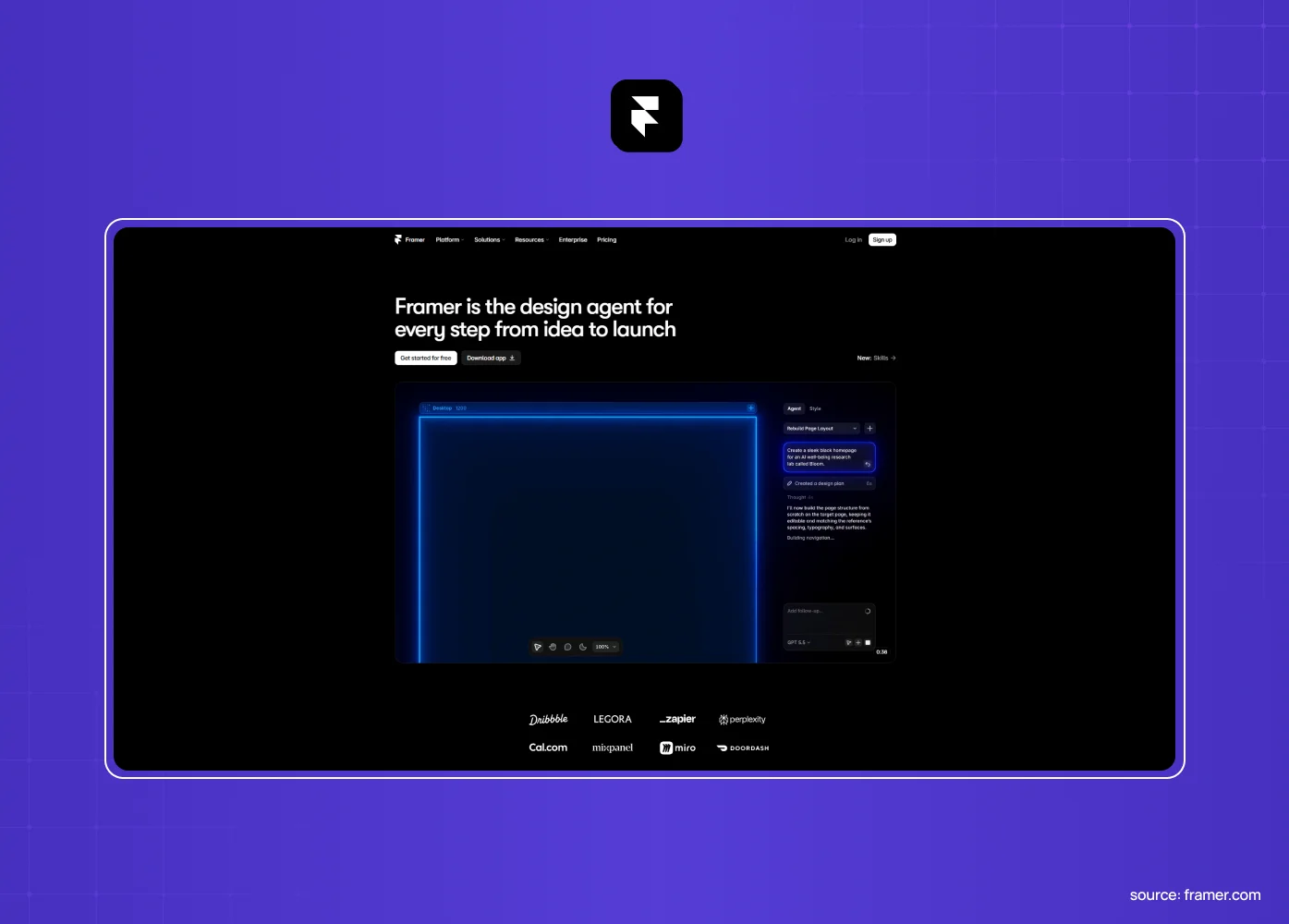
Framer homepage screenshot showing the design agent for every step from idea to launch headline above the site-building canvas.

Framer is a design tool that publishes real websites, which makes it unusual here. You design and ship from the same place instead of handing off.

Free plan includes: a limited number of published sites on a Framer subdomain. [Verify site and page limits.] Best for: portfolio sites, landing pages, and anyone who wants the design to become the live thing. Watch out for: it's site-shaped, not app-shaped. For a product interface with real state, you'll be fighting it.

Marvel
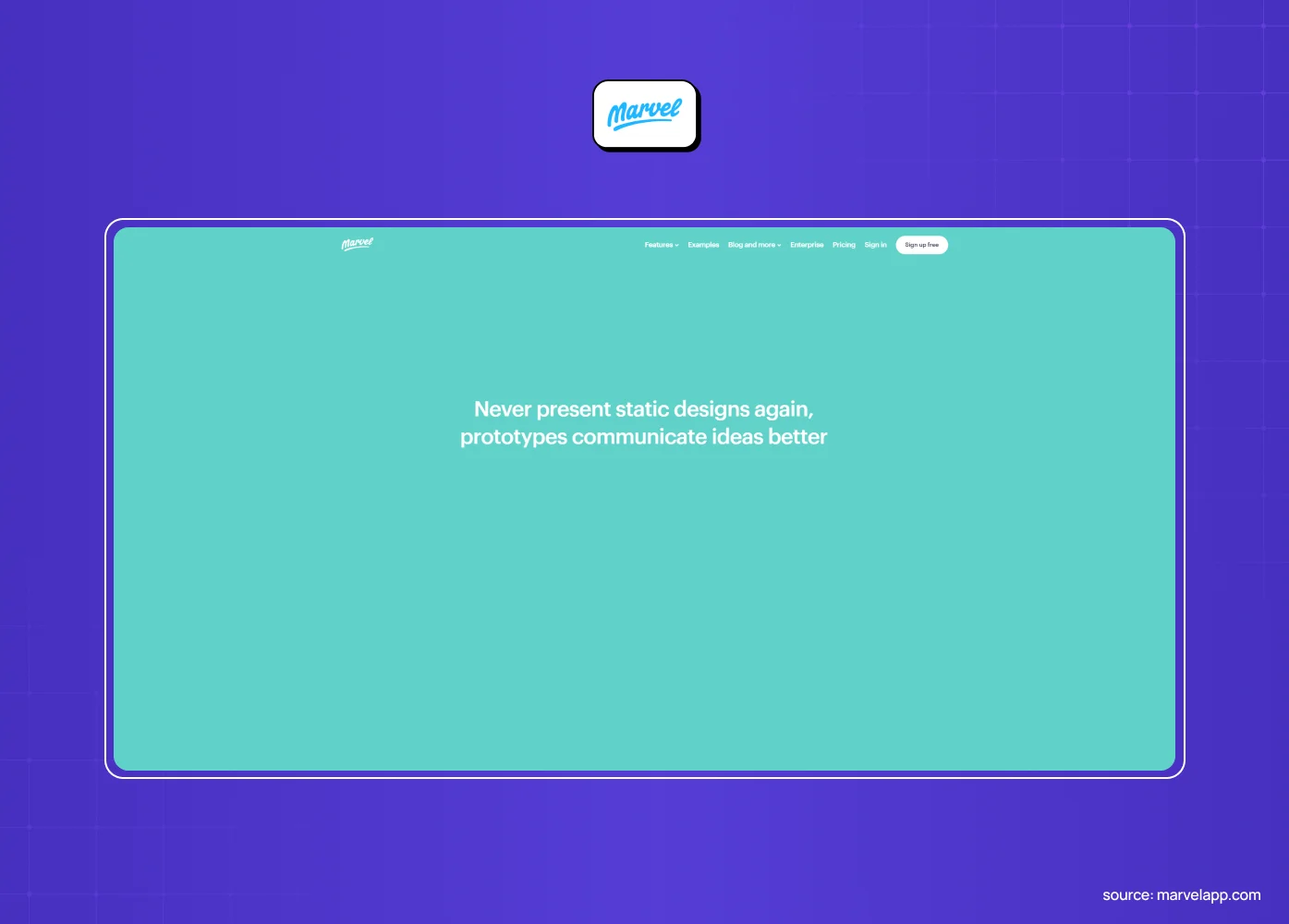
Marvel homepage screenshot with the never present static designs again, prototypes communicate ideas better headline on a teal background.

Marvel is the fastest way to turn static screens into something clickable, and it has been a reliable beginner recommendation for years.

Free plan includes: one user and a small number of projects. [Verify project count.] Best for: turning sketches or screens into a prototype you can put in front of someone. Watch out for: the project limit arrives quickly. Fine for learning, tight for real work.

MockFlow
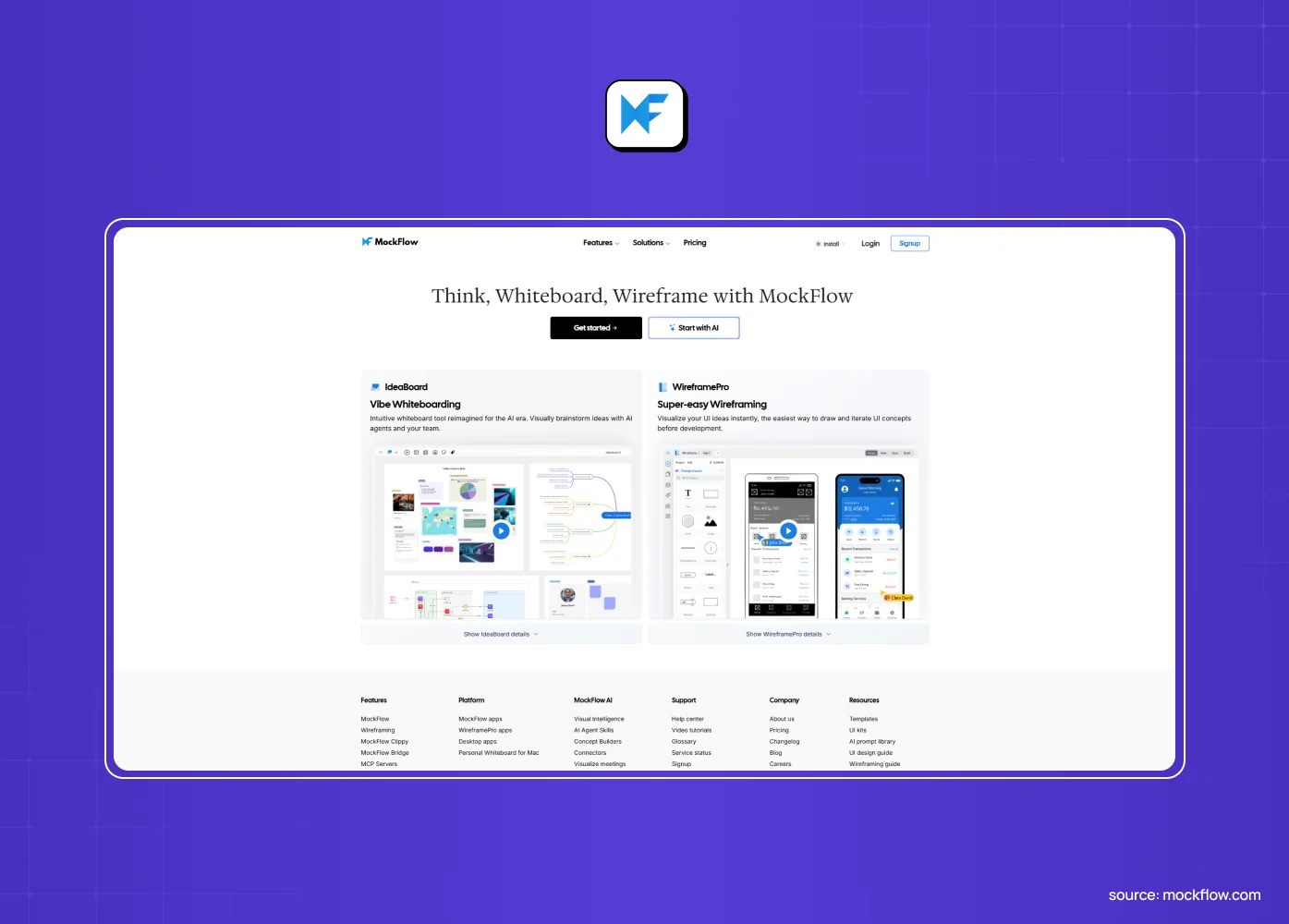
MockFlow homepage screenshot showing the think, whiteboard, wireframe headline above previews of its whiteboarding and wireframing tools.

Built for the unglamorous early stage: boxes, labels, structure, before anyone argues about colour.

Free plan includes: a limited set of projects and pages. [Verify limits.] Best for: low-fidelity wireframes and site maps. Watch out for: deliberately basic. If you want visual polish, this isn't where it lives.

Miro
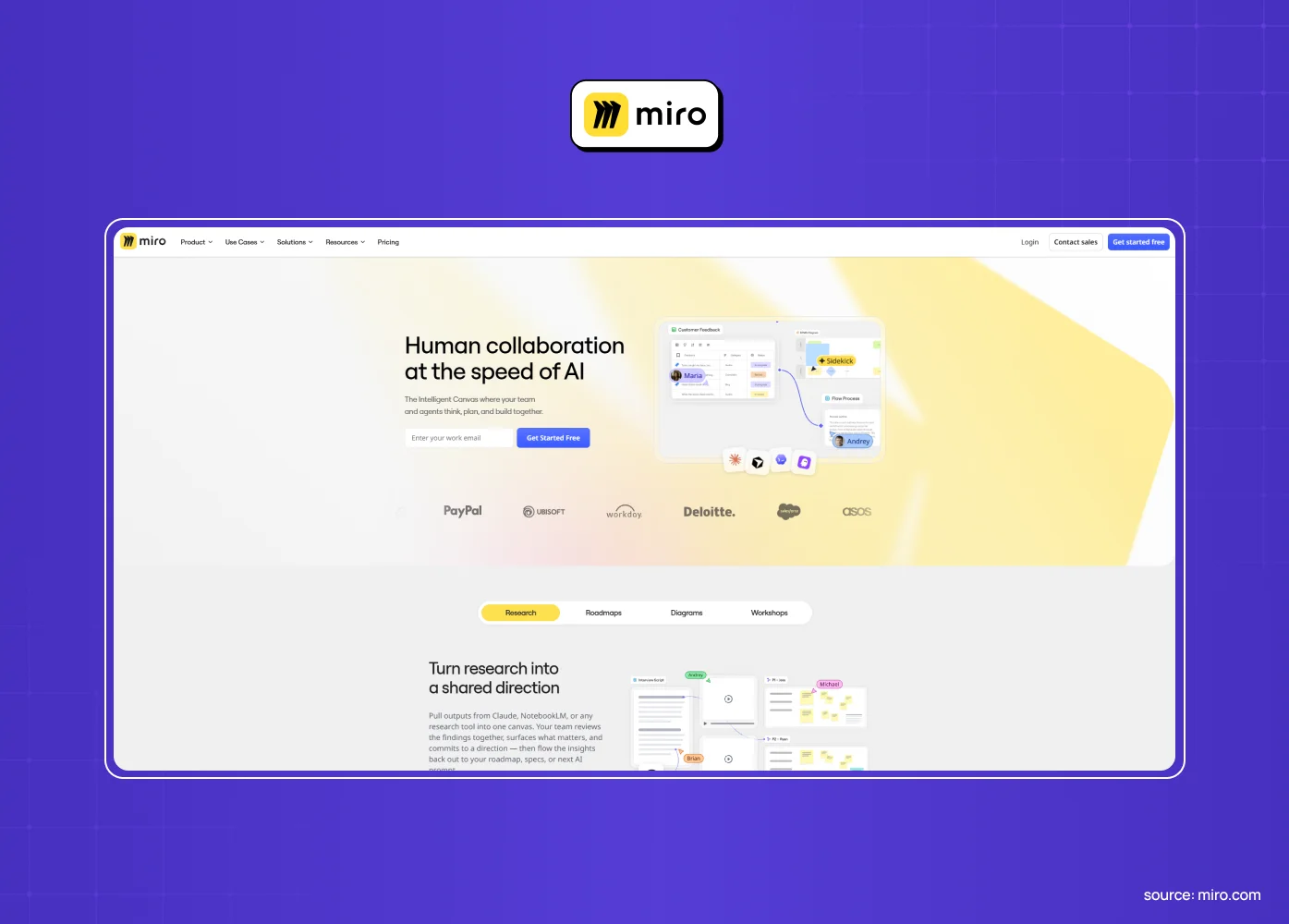
Miro homepage screenshot showing the human collaboration at the speed of AI headline above a research board turning notes into a shared direction.

Not a design tool, and that's the point. Miro covers the UX research side of the job: affinity mapping, journey maps, workshops, sticky notes with a remote team.

Free plan includes: a small number of editable boards, unlimited team members. [Verify board count.] Best for: the thinking that happens before anyone opens a design file. Watch out for: the board limit. Archive old boards or you'll be deleting work to start new work.

Open-source UI design tools

If "free forever" still makes you nervous, because free plans shrink and companies get acquired, open source is the honest answer. Two options are genuinely worth using.

Penpot
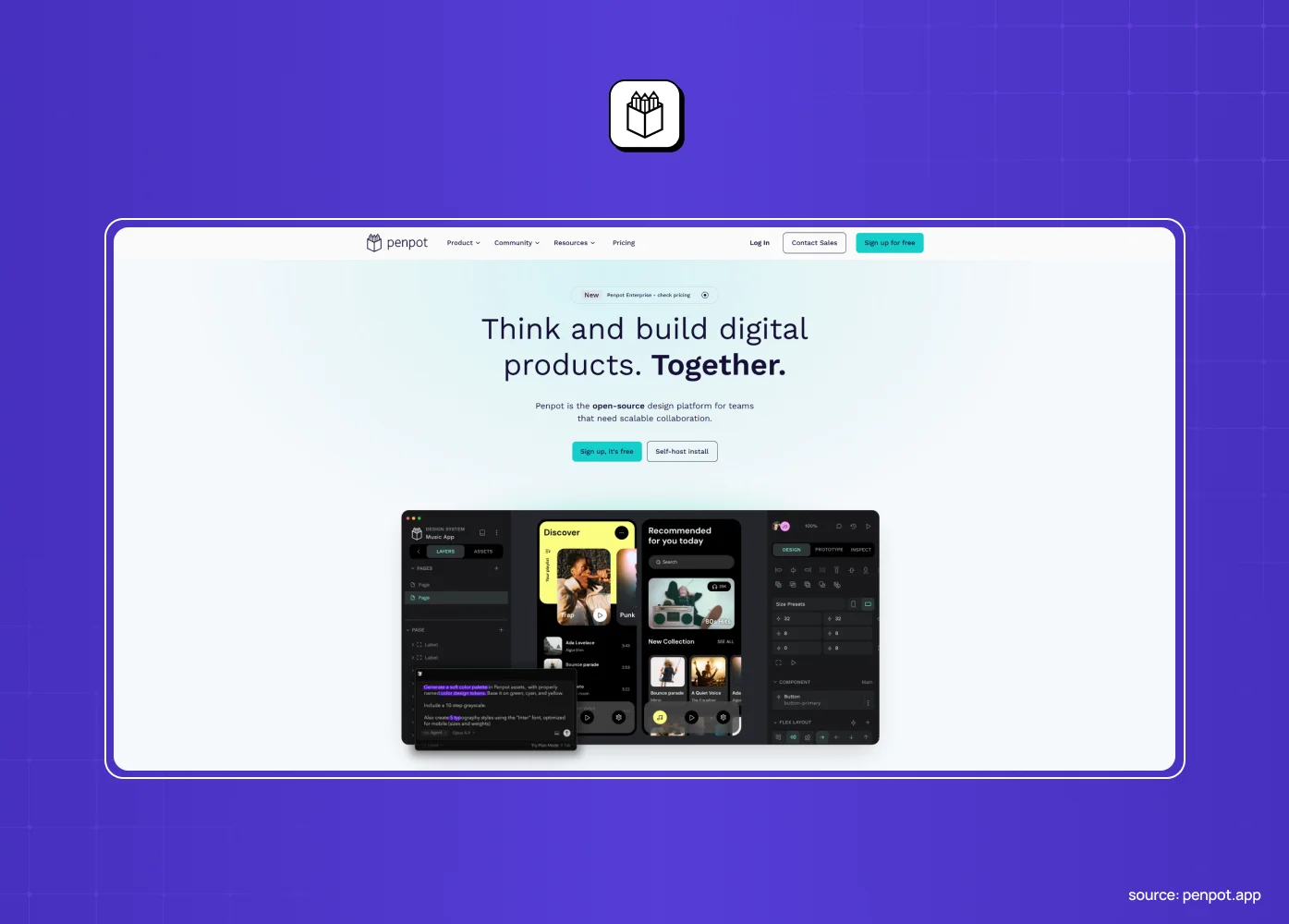
Penpot homepage screenshot showing the think and build digital products together headline above the open-source design editor interface.

Penpot is a full design and prototyping tool, open source, free with no plan tiers, and self-hostable if you want your files on your own infrastructure. It's built on open web standards rather than a proprietary format, which means your work isn't trapped.

Free plan includes: everything. There is no paid tier gating core features. Best for: teams who want no vendor lock-in, and anyone whose organisation has rules about where design files live. Watch out for: a smaller plugin and community ecosystem than Figma. You'll find fewer templates and fewer people who already know it.

Lunacy
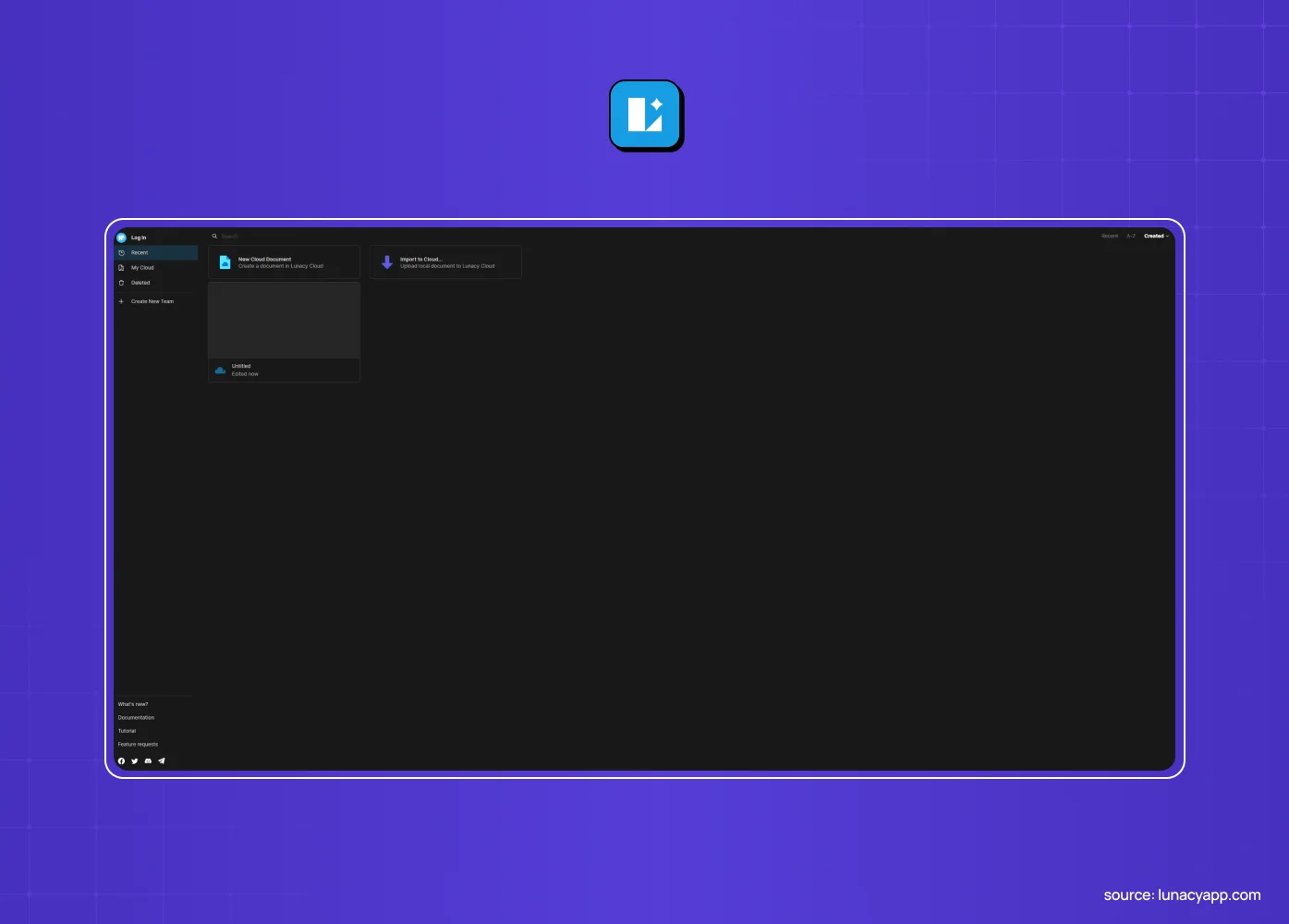
Lunacy homepage screenshot showing the dark desktop interface of the free offline design app for Windows, Mac and Linux.

Lunacy is a free desktop design app that runs on Windows, Mac and Linux, works offline, and ships with built-in free icons, illustrations and photos so you're not hunting for assets.

Free plan includes: the full app, plus the asset libraries. Best for: designers on Windows or Linux, and anyone who needs to work without a connection. Watch out for: it's a desktop app, so real-time collaboration is weaker than browser-first tools.

Free UI design tools that run in the browser

If you want UI design online free, with nothing to install, the browser-only list is short but solid: Figma, Penpot, Framer, Marvel, MockFlow, Uizard and Canva all run entirely in a tab. That matters more than it sounds if you're on a locked-down work machine, a Chromebook, or a laptop that struggles with heavy applications.

If you'd rather have a free UI UX design app you can install and run offline, the list narrows to Lunacy, Justinmind and Figma's desktop client. Everything else needs a connection.

Canva is worth naming here specifically. It isn't a UX tool and it won't do proper prototyping, but for a beginner making a first app screen, a pitch deck mockup, or social assets, its free plan is more generous than anything else on this page.

Canva homepage screenshot showing the what will you design today prompt above rows of template categories for social posts, presentations and documents.

Justinmind sits in the middle. It has a free plan rather than trial-only access, runs as a desktop app on Windows and Mac, and handles interactive prototypes with real conditional logic, which is more than most free tools manage.
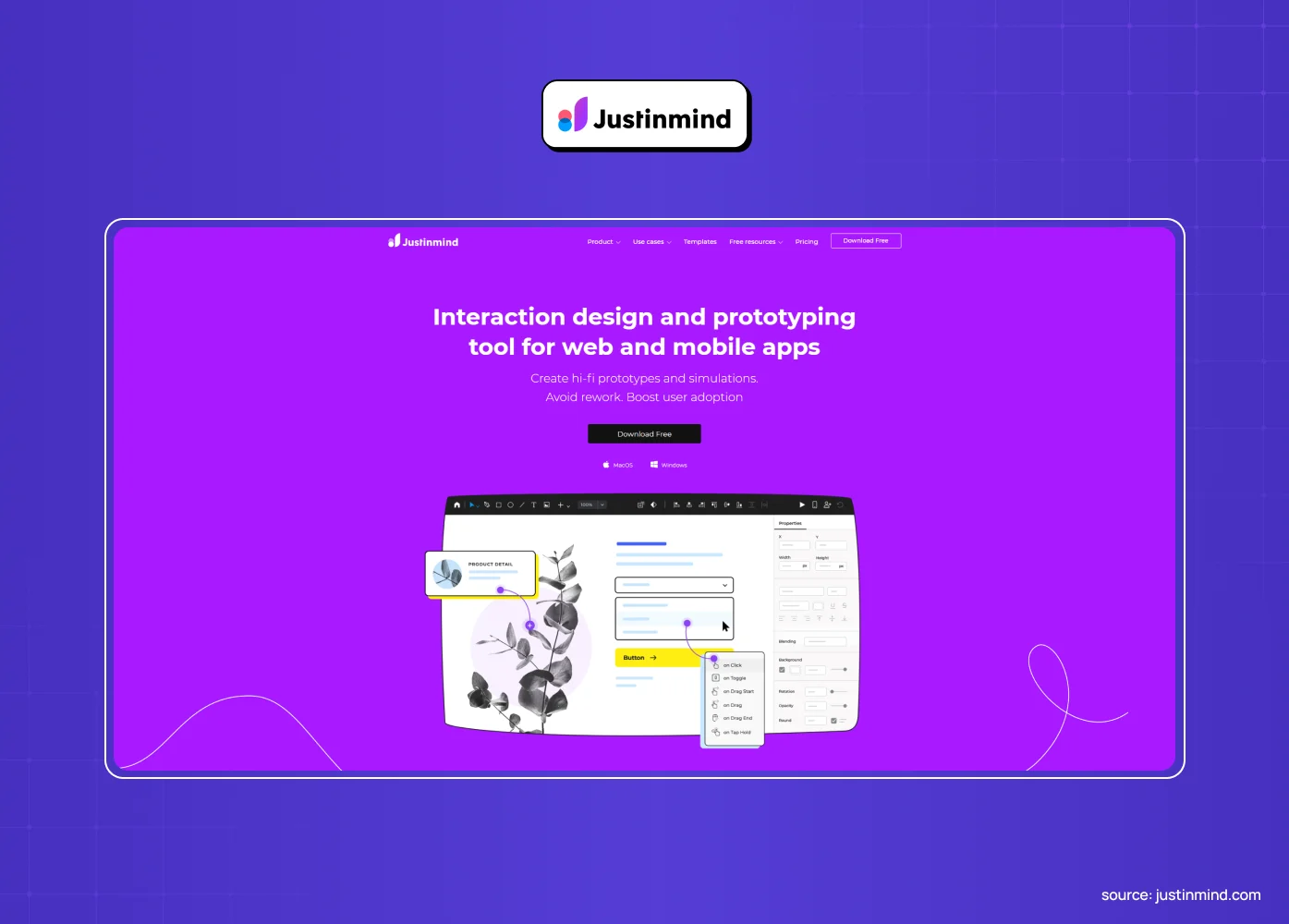
Justinmind homepage screenshot showing the interaction design and prototyping tool for web and mobile apps headline above the prototype editor.

Free AI tools for UI and UX design

This is the newest part of the list and the part most existing roundups skip entirely. All three of these generate interface designs from a text description, and all three have a free way in.

Uizard turns a prompt or a rough sketch into multi-screen concepts with working links. The free plan limits how many projects you can keep, but it's enough to see whether the approach suits you.

Uizard homepage screenshot inside Miro Labs, showing the create prototypes in Miro headline above an AI prototype generation panel.

Google Stitch generates UI from text or images and is free to use, which makes it the easiest no-cost entry point to AI interface generation right now. Our guide to how Google Stitch works covers its features and workflow.
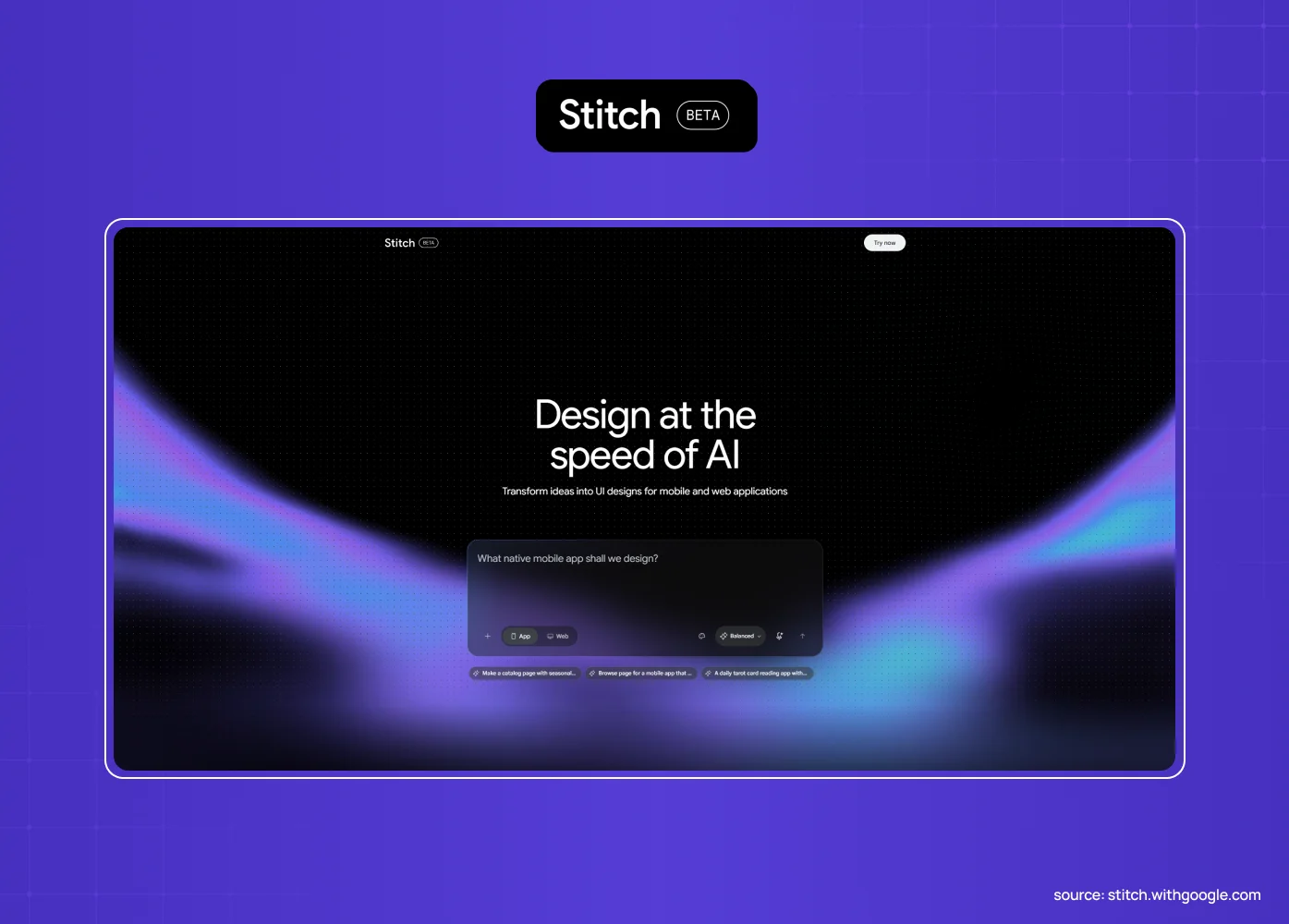
Google Stitch homepage screenshot showing the design at the speed of AI headline above a prompt field for generating mobile and web UI.

Visily focuses on wireframes rather than finished visuals, including turning screenshots and hand-drawn sketches into editable wireframes. The free plan covers a limited number of files.
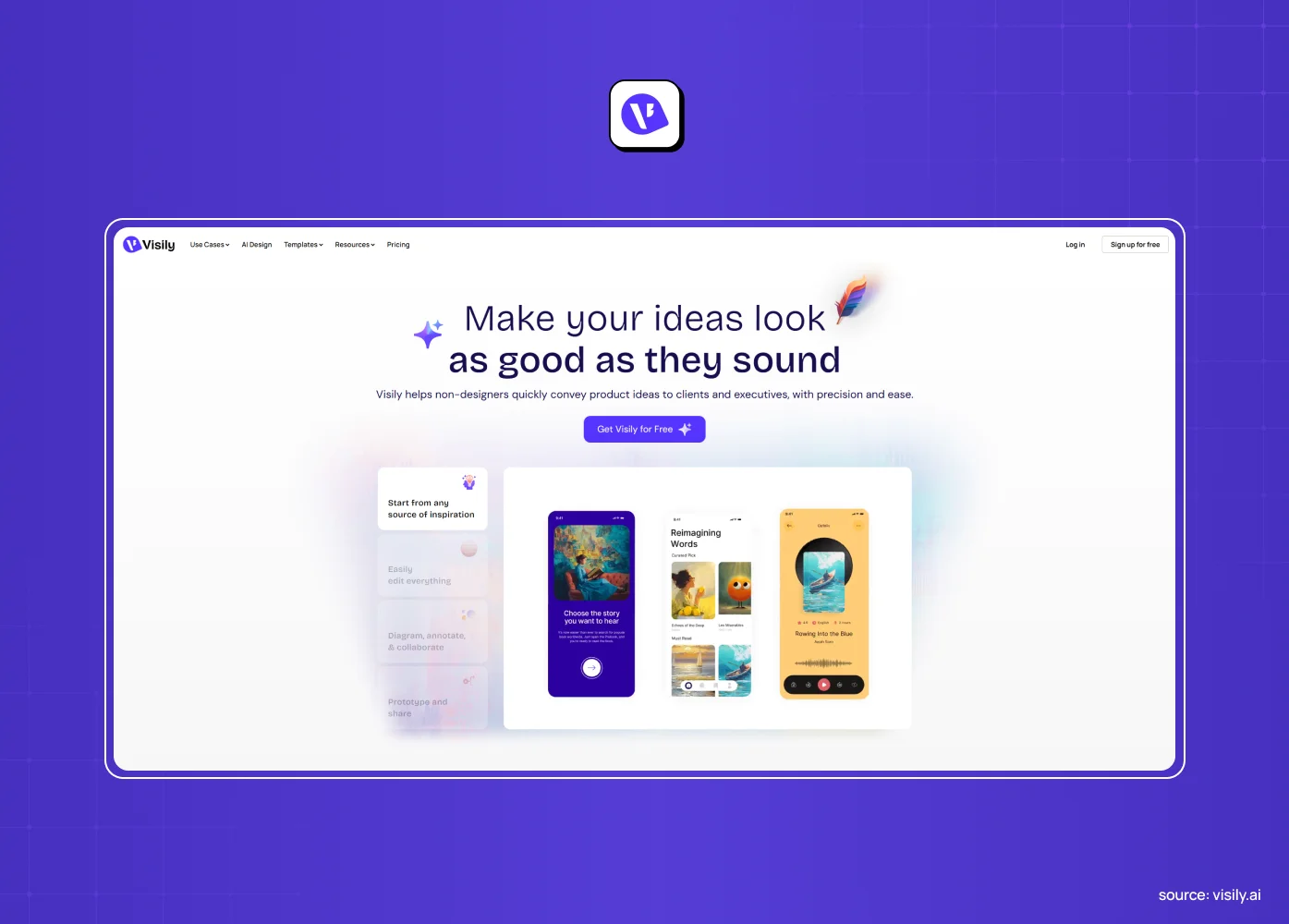
Visily homepage screenshot showing the make your ideas look as good as they sound headline above AI-generated mobile app screens.

What they do well, and where they stop

They're genuinely good at the blank page. If you don't know what a screen should look like, thirty seconds with one of these gives you something to react to, which is easier than starting from nothing.

Where they stop is judgment. Generated interfaces are competent and generic, because they're assembled from patterns. They won't tell you what to build, they won't catch the flow that makes sense on paper and confuses a real user, and they default to the visual middle of the road.

If you want to go further into this category, our guide to AI prototyping apps covers the tools that generate clickable prototypes, and if you want to skip design entirely and generate a working product, AI app creators covers that side.

Free prototyping tools for UX designers

If prototyping is the specific job, the free options ranked by what they're actually good for:

  • Figma for prototypes built from your own designs, with the most control.

  • Marvel for the fastest route from static screens to something clickable.

  • Penpot if you want prototyping without a vendor.

  • Justinmind if you need conditional logic and real interaction states.

  • Framer if the prototype should become a live site.

Most beginners overreach here. A UX prototype only needs to be interactive enough to answer the question you're asking. If you're testing whether people can find the settings page, you don't need animation.

Where to find free UI kits and templates

Free Figma UI kits and templates will save you more time than any tool comparison. Three sources worth knowing:

  • The Figma Community, which is free to browse and full of UI kits, wireframe kits and design systems you can duplicate into your own file.

  • Lunacy's built-in libraries, which include icons, illustrations and photos with no attribution requirements.

  • Google's Material and Apple's Human Interface libraries, both free, both maintained by the platform owners, and both a better starting point than a random template.

One warning. Starting from a template is a fast way to get something that looks finished and says nothing. Use kits for components and patterns. Make the layout decisions yourself.

Free trials that aren't free tools

These four appear on almost every "free UX tools" list. None of them has a free plan.

  • Balsamiq. 30-day trial. Excellent at deliberately rough wireframes, and there's no free tier afterwards.

  • Axure RP. 30-day trial. The most powerful prototyping tool here by some distance, and priced accordingly.

  • Proto.io. 15-day trial. Strong for high-fidelity mobile prototypes.

  • Sketch. 30-day trial, Mac only. Still good, and frequently listed as free when it isn't.

Two more worth addressing because people still search for them. Adobe XD is effectively retired: Adobe stopped selling it in 2023 and it receives maintenance only our Figma vs Sketch vs Adobe XD comparison shows where that leaves the other options. InVision shut down its design tools at the end of 2024. If a 2026 list recommends either, it wasn't checked.

What a free stack actually looks like

Tools matter less than the combination. Three that work.

If you're learning. Figma for design and prototyping, the Figma Community for kits, Miro for organising your thinking. One tool to get good at, two to support it. Don't collect software; you'll spend your time on tutorials instead of work.

If you're a solo founder: Uizard or Google Stitch to get a first version of a screen fast, Figma to refine it, Framer to publish. This is the stack that gets you from idea to something people can look at in a weekend—and for that last step, our Framer vs Webflow comparison covers the publishing trade-offs.

If you're a small team. Figma for design, Miro for research and workshops, Penpot if anyone objects to files living in a vendor's cloud. Watch the free file caps, because that's where a team of three hits the wall first.

When free stops being enough

Free tiers are generous until they aren't, and the failure is predictable. You hit the file cap mid-project. Version history doesn't go back far enough. You need a second editor. None of that means the free tool was wrong, it means the project grew.

The other limit is harder. Tools produce artefacts. They don't decide who you're designing for, which flow matters, or why people abandon at step three. That part is research and judgment usually starting with a UX audit and no free tier or paid tier substitutes for it.

We're a product design studio, and the work we're usually brought in for starts where the tooling ends. If you've built something and it isn't converting the way you expected, book a discovery call and we'll take a look.

Search for free UX design tools and you get lists padded with 30-day trials, and some that still recommend software that shut down years ago. This guide labels every tool as free forever, open source, or trial only, and names the four that aren't free.

Twelve tools that are actually free. Four that only look it.

Search for free UX design tools and you'll get a lot of lists padded with 30-day trials. Some still recommend software that no longer exists. Adobe stopped selling XD in 2023, and InVision shut its design tools down at the end of 2024, and both still turn up on "2026" roundups.

So this list does something simple. Every tool gets a label, and there are only three:

  • Free forever. A permanent free plan with stated limits.

  • Open source. Genuinely free, no vendor, yours to self-host if you want.

  • Trial only. Time-limited. Useful, sometimes excellent, but not free.

Twelve tools fall into the first two buckets. Four of the most commonly recommended ones fall into the third, and we've named them rather than quietly leaving them out.

This is written for people learning UX, solo founders, and small teams with no software budget. If you want the wider picture including paid options, our roundup of UX design tools covers the full stack.

What counts as a free UX design tool

A free UX design tool is software you can use indefinitely without paying, either through a permanent free plan or because it's open source. Free design tools generally cover four jobs: wireframing, visual design, prototyping, and collaboration or research.

The distinction that matters is between a free plan and a free trial. A free plan has limits, usually on files, projects or editors, but it doesn't expire. A trial expires, and when it does your work is often locked behind a paywall. Plenty of UX tools lists blur the two, which is why people search for lists that are "actually free."

One caveat worth stating up front: free tiers shrink. Every limit below was checked in September 2026, and anything you read on a page without a date on it should be treated as fiction.

The UX/UI checklist top SaaS teams actually use

15 essential checks covering onboarding, conversions, and retention. Spot quick wins and fix friction before it costs you signups.

No Spam. Free Lifetime

How we checked this list

Four rules, applied to every tool before it got a place.

  • The free plan has to be permanent. Not a trial, not an educational licence, not a discount. If access ends on a date, the tool goes in the trials section with the date named.

  • The free plan has to be enough to finish something. A plan that lets you open the app but not export, share or save is a demo. Everything above can take a real project from blank file to something you can put in front of someone.

  • The tool has to still exist. This sounds obvious. It's also why Adobe XD and InVision aren't here, and why they're still on other lists.

  • The limits have to be stated. Every entry says what the free plan actually gives you, because "has a free tier" is the phrase that sends people down a signup flow only to discover the cap on the second day.

Two things this list deliberately does not do. It doesn't rank the tools one to twelve, because the right choice depends on whether you're wireframing, prototyping or running research, and a single ranking hides that. And it doesn't pad the count with tools nobody uses, which is why twelve rather than thirty.

If you're weighing up how to choose a UX design tool more generally, the short version is: pick by the job you're doing this month, not by the feature list. Almost everyone over-buys capability and under-invests in learning one tool properly.

The 12 free UX design tools at a glance

Tool

Type

Free plan

Platform

Figma

Design and prototyping

Free forever, file limits apply

Browser, desktop

Framer

Design and publishing

Free forever, site limits apply

Browser

Penpot

Design and prototyping

Fully free, open source

Browser, self-hostable

Lunacy

Design

Fully free

Windows, Mac, Linux

Marvel

Prototyping

Free forever, project limits apply

Browser

MockFlow

Wireframing

Free forever, limited

Browser

Miro

Research and collaboration

Free forever, board limits apply

Browser, desktop

Canva

Quick UI and assets

Free forever, generous

Browser, mobile

Justinmind

Prototyping

Free plan available

Windows, Mac

Uizard

AI UI generation

Free plan, project limits

Browser

Google Stitch

AI UI generation

Free

Browser

Visily

AI wireframing

Free plan, limited

Browser

Free forever: tools with a real free plan

Figma

Figma homepage screenshot showing the full-stack creative tool for visual thinkers headline above a canvas of design files and moodboards.

The default answer, and for good reason. Figma runs in the browser, handles wireframes through to high-fidelity prototypes, and the free plan is enough to build and share a complete project.

Free plan includes: a capped number of design and FigJam files, unlimited personal drafts, and unlimited viewers. [Verify current file caps before publishing.] Best for: almost everyone, and the only tool on this list that's a safe default. Watch out for: the file cap is the wall you hit first. Version history on the free plan is also shorter than most people expect, which matters more than it sounds when you want to recover something from last month.

Framer

Framer homepage screenshot showing the design agent for every step from idea to launch headline above the site-building canvas.

Framer is a design tool that publishes real websites, which makes it unusual here. You design and ship from the same place instead of handing off.

Free plan includes: a limited number of published sites on a Framer subdomain. [Verify site and page limits.] Best for: portfolio sites, landing pages, and anyone who wants the design to become the live thing. Watch out for: it's site-shaped, not app-shaped. For a product interface with real state, you'll be fighting it.

Marvel

Marvel homepage screenshot with the never present static designs again, prototypes communicate ideas better headline on a teal background.

Marvel is the fastest way to turn static screens into something clickable, and it has been a reliable beginner recommendation for years.

Free plan includes: one user and a small number of projects. [Verify project count.] Best for: turning sketches or screens into a prototype you can put in front of someone. Watch out for: the project limit arrives quickly. Fine for learning, tight for real work.

MockFlow

MockFlow homepage screenshot showing the think, whiteboard, wireframe headline above previews of its whiteboarding and wireframing tools.

Built for the unglamorous early stage: boxes, labels, structure, before anyone argues about colour.

Free plan includes: a limited set of projects and pages. [Verify limits.] Best for: low-fidelity wireframes and site maps. Watch out for: deliberately basic. If you want visual polish, this isn't where it lives.

Miro

Miro homepage screenshot showing the human collaboration at the speed of AI headline above a research board turning notes into a shared direction.

Not a design tool, and that's the point. Miro covers the UX research side of the job: affinity mapping, journey maps, workshops, sticky notes with a remote team.

Free plan includes: a small number of editable boards, unlimited team members. [Verify board count.] Best for: the thinking that happens before anyone opens a design file. Watch out for: the board limit. Archive old boards or you'll be deleting work to start new work.

Open-source UI design tools

If "free forever" still makes you nervous, because free plans shrink and companies get acquired, open source is the honest answer. Two options are genuinely worth using.

Penpot

Penpot homepage screenshot showing the think and build digital products together headline above the open-source design editor interface.

Penpot is a full design and prototyping tool, open source, free with no plan tiers, and self-hostable if you want your files on your own infrastructure. It's built on open web standards rather than a proprietary format, which means your work isn't trapped.

Free plan includes: everything. There is no paid tier gating core features. Best for: teams who want no vendor lock-in, and anyone whose organisation has rules about where design files live. Watch out for: a smaller plugin and community ecosystem than Figma. You'll find fewer templates and fewer people who already know it.

Lunacy

Lunacy homepage screenshot showing the dark desktop interface of the free offline design app for Windows, Mac and Linux.

Lunacy is a free desktop design app that runs on Windows, Mac and Linux, works offline, and ships with built-in free icons, illustrations and photos so you're not hunting for assets.

Free plan includes: the full app, plus the asset libraries. Best for: designers on Windows or Linux, and anyone who needs to work without a connection. Watch out for: it's a desktop app, so real-time collaboration is weaker than browser-first tools.

Free UI design tools that run in the browser

If you want UI design online free, with nothing to install, the browser-only list is short but solid: Figma, Penpot, Framer, Marvel, MockFlow, Uizard and Canva all run entirely in a tab. That matters more than it sounds if you're on a locked-down work machine, a Chromebook, or a laptop that struggles with heavy applications.

If you'd rather have a free UI UX design app you can install and run offline, the list narrows to Lunacy, Justinmind and Figma's desktop client. Everything else needs a connection.

Canva is worth naming here specifically. It isn't a UX tool and it won't do proper prototyping, but for a beginner making a first app screen, a pitch deck mockup, or social assets, its free plan is more generous than anything else on this page.

Canva homepage screenshot showing the what will you design today prompt above rows of template categories for social posts, presentations and documents.

Justinmind sits in the middle. It has a free plan rather than trial-only access, runs as a desktop app on Windows and Mac, and handles interactive prototypes with real conditional logic, which is more than most free tools manage.

Justinmind homepage screenshot showing the interaction design and prototyping tool for web and mobile apps headline above the prototype editor.

Free AI tools for UI and UX design

This is the newest part of the list and the part most existing roundups skip entirely. All three of these generate interface designs from a text description, and all three have a free way in.

Uizard turns a prompt or a rough sketch into multi-screen concepts with working links. The free plan limits how many projects you can keep, but it's enough to see whether the approach suits you.

Uizard homepage screenshot inside Miro Labs, showing the create prototypes in Miro headline above an AI prototype generation panel.

Google Stitch generates UI from text or images and is free to use, which makes it the easiest no-cost entry point to AI interface generation right now. Our guide to how Google Stitch works covers its features and workflow.

Google Stitch homepage screenshot showing the design at the speed of AI headline above a prompt field for generating mobile and web UI.

Visily focuses on wireframes rather than finished visuals, including turning screenshots and hand-drawn sketches into editable wireframes. The free plan covers a limited number of files.

Visily homepage screenshot showing the make your ideas look as good as they sound headline above AI-generated mobile app screens.

What they do well, and where they stop

They're genuinely good at the blank page. If you don't know what a screen should look like, thirty seconds with one of these gives you something to react to, which is easier than starting from nothing.

Where they stop is judgment. Generated interfaces are competent and generic, because they're assembled from patterns. They won't tell you what to build, they won't catch the flow that makes sense on paper and confuses a real user, and they default to the visual middle of the road.

If you want to go further into this category, our guide to AI prototyping apps covers the tools that generate clickable prototypes, and if you want to skip design entirely and generate a working product, AI app creators covers that side.

Free prototyping tools for UX designers

If prototyping is the specific job, the free options ranked by what they're actually good for:

  • Figma for prototypes built from your own designs, with the most control.

  • Marvel for the fastest route from static screens to something clickable.

  • Penpot if you want prototyping without a vendor.

  • Justinmind if you need conditional logic and real interaction states.

  • Framer if the prototype should become a live site.

Most beginners overreach here. A UX prototype only needs to be interactive enough to answer the question you're asking. If you're testing whether people can find the settings page, you don't need animation.

Where to find free UI kits and templates

Free Figma UI kits and templates will save you more time than any tool comparison. Three sources worth knowing:

  • The Figma Community, which is free to browse and full of UI kits, wireframe kits and design systems you can duplicate into your own file.

  • Lunacy's built-in libraries, which include icons, illustrations and photos with no attribution requirements.

  • Google's Material and Apple's Human Interface libraries, both free, both maintained by the platform owners, and both a better starting point than a random template.

One warning. Starting from a template is a fast way to get something that looks finished and says nothing. Use kits for components and patterns. Make the layout decisions yourself.

Free trials that aren't free tools

These four appear on almost every "free UX tools" list. None of them has a free plan.

  • Balsamiq. 30-day trial. Excellent at deliberately rough wireframes, and there's no free tier afterwards.

  • Axure RP. 30-day trial. The most powerful prototyping tool here by some distance, and priced accordingly.

  • Proto.io. 15-day trial. Strong for high-fidelity mobile prototypes.

  • Sketch. 30-day trial, Mac only. Still good, and frequently listed as free when it isn't.

Two more worth addressing because people still search for them. Adobe XD is effectively retired: Adobe stopped selling it in 2023 and it receives maintenance only our Figma vs Sketch vs Adobe XD comparison shows where that leaves the other options. InVision shut down its design tools at the end of 2024. If a 2026 list recommends either, it wasn't checked.

What a free stack actually looks like

Tools matter less than the combination. Three that work.

If you're learning. Figma for design and prototyping, the Figma Community for kits, Miro for organising your thinking. One tool to get good at, two to support it. Don't collect software; you'll spend your time on tutorials instead of work.

If you're a solo founder: Uizard or Google Stitch to get a first version of a screen fast, Figma to refine it, Framer to publish. This is the stack that gets you from idea to something people can look at in a weekend—and for that last step, our Framer vs Webflow comparison covers the publishing trade-offs.

If you're a small team. Figma for design, Miro for research and workshops, Penpot if anyone objects to files living in a vendor's cloud. Watch the free file caps, because that's where a team of three hits the wall first.

When free stops being enough

Free tiers are generous until they aren't, and the failure is predictable. You hit the file cap mid-project. Version history doesn't go back far enough. You need a second editor. None of that means the free tool was wrong, it means the project grew.

The other limit is harder. Tools produce artefacts. They don't decide who you're designing for, which flow matters, or why people abandon at step three. That part is research and judgment usually starting with a UX audit and no free tier or paid tier substitutes for it.

We're a product design studio, and the work we're usually brought in for starts where the tooling ends. If you've built something and it isn't converting the way you expected, book a discovery call and we'll take a look.

Have a project in mind?

Let’s talk through your idea and see what makes sense.
Harpreet Singh

Founder at Groto

Have a project in mind?

Let’s talk through your idea and see what makes sense.
Harpreet Singh

Founder at Groto

FAQ

Everything you were going to ask (and a few things you didn’t know to)

What tools do UX designers actually use day to day?

Far fewer than these lists suggest. Most working designers live in one design tool, usually Figma, plus a whiteboard tool for research and synthesis, plus whatever their company uses for tickets and handoff. The long tool lists you see are menus, not stacks. Pick one design tool, learn it properly, and add others only when you hit a specific wall.

Which free UX design tool is best if you're a complete beginner?

Figma. It has the largest set of free tutorials, the biggest community, the most templates to learn from, and a free plan that covers a full beginner project. Marvel is a reasonable second if you only want to turn existing screens into a clickable prototype without learning a design tool first. Start with one and resist the urge to try all twelve.

Are there genuinely free open-source UI design tools?

Yes. Penpot is a full design and prototyping tool that's open source, free without tiers, and self-hostable, which means no vendor can change the terms on you. Lunacy is free across Windows, Mac and Linux and works offline with built-in asset libraries. Between them they cover most of what a paid tool does, with a smaller ecosystem as the trade-off.

Can you do UI and UX design entirely in the browser for free?

Yes, completely. Figma, Penpot, Framer, Marvel, MockFlow, Uizard and Canva all run in a tab with nothing installed. That covers wireframing, visual design, prototyping and asset creation. The only things you'll routinely want a desktop app for are working offline and handling very large files, and Lunacy and Figma's desktop client both cover that.

What's the best free prototyping tool for UX design?

Depends what the prototype has to prove. For prototypes built from your own designs, Figma. For speed from static screens to clickable, Marvel. For real conditional logic and interaction states, Justinmind's free plan goes further than most. For something that becomes a live website, Framer. Match the tool to the question you're testing rather than reaching for the most capable one.

Can free AI tools replace paid UX design software?

For getting a first draft on screen, increasingly yes. Uizard, Google Stitch and Visily will produce usable starting points from a description in under a minute. What they don't replace is the editing. Generated output is average by construction, because it's assembled from common patterns, so the work shifts from making the screen to deciding what's wrong with it. That's still a design skill, and it's still yours.

What tools do UX designers actually use day to day?

Far fewer than these lists suggest. Most working designers live in one design tool, usually Figma, plus a whiteboard tool for research and synthesis, plus whatever their company uses for tickets and handoff. The long tool lists you see are menus, not stacks. Pick one design tool, learn it properly, and add others only when you hit a specific wall.

Which free UX design tool is best if you're a complete beginner?

Figma. It has the largest set of free tutorials, the biggest community, the most templates to learn from, and a free plan that covers a full beginner project. Marvel is a reasonable second if you only want to turn existing screens into a clickable prototype without learning a design tool first. Start with one and resist the urge to try all twelve.

Are there genuinely free open-source UI design tools?

Yes. Penpot is a full design and prototyping tool that's open source, free without tiers, and self-hostable, which means no vendor can change the terms on you. Lunacy is free across Windows, Mac and Linux and works offline with built-in asset libraries. Between them they cover most of what a paid tool does, with a smaller ecosystem as the trade-off.

Can you do UI and UX design entirely in the browser for free?

Yes, completely. Figma, Penpot, Framer, Marvel, MockFlow, Uizard and Canva all run in a tab with nothing installed. That covers wireframing, visual design, prototyping and asset creation. The only things you'll routinely want a desktop app for are working offline and handling very large files, and Lunacy and Figma's desktop client both cover that.

What's the best free prototyping tool for UX design?

Depends what the prototype has to prove. For prototypes built from your own designs, Figma. For speed from static screens to clickable, Marvel. For real conditional logic and interaction states, Justinmind's free plan goes further than most. For something that becomes a live website, Framer. Match the tool to the question you're testing rather than reaching for the most capable one.

Can free AI tools replace paid UX design software?

For getting a first draft on screen, increasingly yes. Uizard, Google Stitch and Visily will produce usable starting points from a description in under a minute. What they don't replace is the editing. Generated output is average by construction, because it's assembled from common patterns, so the work shifts from making the screen to deciding what's wrong with it. That's still a design skill, and it's still yours.

More Articles

Extreme close-up black and white photograph of a human eye

Let’s bring your vision to life

Tell us what's on your mind? We'll hit you back in 24 hours. No fluff, no delays - just a solid vision to bring your idea to life.

Profile portrait of a man in a white shirt against a light background

Harpreet Singh

Founder and Creative Director

Get in Touch

Extreme close-up black and white photograph of a human eye

Let’s bring your vision to life

Tell us what's on your mind? We'll hit you back in 24 hours. No fluff, no delays - just a solid vision to bring your idea to life.

Profile portrait of a man in a white shirt against a light background

Harpreet Singh

Founder and Creative Director

Get in Touch

Extreme close-up black and white photograph of a human eye

Let’s bring your vision to life

Tell us what's on your mind? We'll hit you back in 24 hours. No fluff, no delays - just a solid vision to bring your idea to life.

Profile portrait of a man in a white shirt against a light background

Harpreet Singh

Founder and Creative Director

Get in Touch